
The most hurricane-resistant fences combine an open or semi-open design, posts set deep in concrete, and a material that doesn’t trap wind, like aluminum or heavy-duty vinyl. Solid privacy panels act like sails and are more likely to fail. No fence is truly storm-proof, but smart design and regular maintenance go a long way in coastal NC and SC.
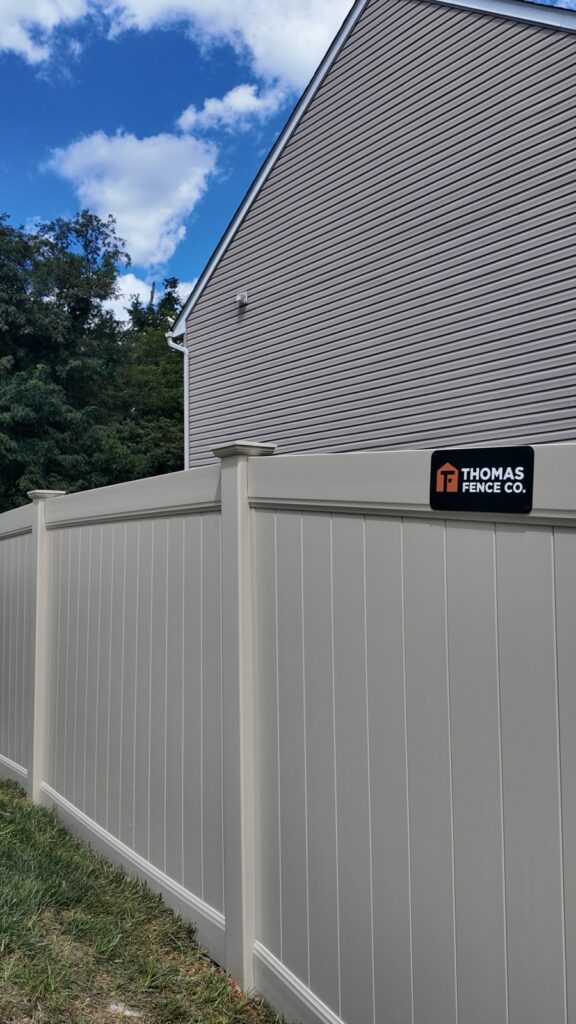
If you live along the coast in places like Myrtle Beach or even further inland in the Carolinas, you already know that “will my fence survive a hurricane” isn’t a hypothetical question, it’s an annual one. Below, we break down why fences fail in high winds, how different materials and designs compare, and what you can do before and after a storm.
Why Do Fences Fail in High Winds?
Most wind-related fence failures come down to three things:
The sail effect. A tall, solid fence panel catches wind the same way a sail does. The more solid surface area a fence has, the more force the wind puts on the posts and footings. This is the single biggest reason solid privacy fences take more damage than open designs during tropical storms and hurricanes.
Post depth and footing size. A fence is only as strong as what’s holding it in the ground. Posts that are set too shallow, or set in loose soil without enough concrete around them, can lean, pop up, or snap off at the base when gusts hit.
Rot, rust, and age. Wood posts that have been slowly rotting at the ground line, or metal posts with rust at the base, lose strength over time. A fence that looks fine on a calm day can fail in wind because the weak point was never visible above ground. This is also why fence wind load isn’t just about the day the fence was built, it’s about ongoing condition.
Open Designs vs. Solid Privacy Panels: Which Wins in Wind?
In general, open or semi-open fence styles, think aluminum ornamental fencing, picket-style wood fencing, or chain link, let wind pass through instead of pushing against a flat surface. That lower surface area usually means less stress on the posts.
Solid privacy fences (full-panel wood or vinyl privacy) look great and offer more screening, but they present a much bigger target to the wind. That doesn’t mean you can’t have a privacy fence near the coast. It just means post depth, footing size, and spacing matter even more, and some homeowners choose a semi-privacy or louvered style as a middle ground.
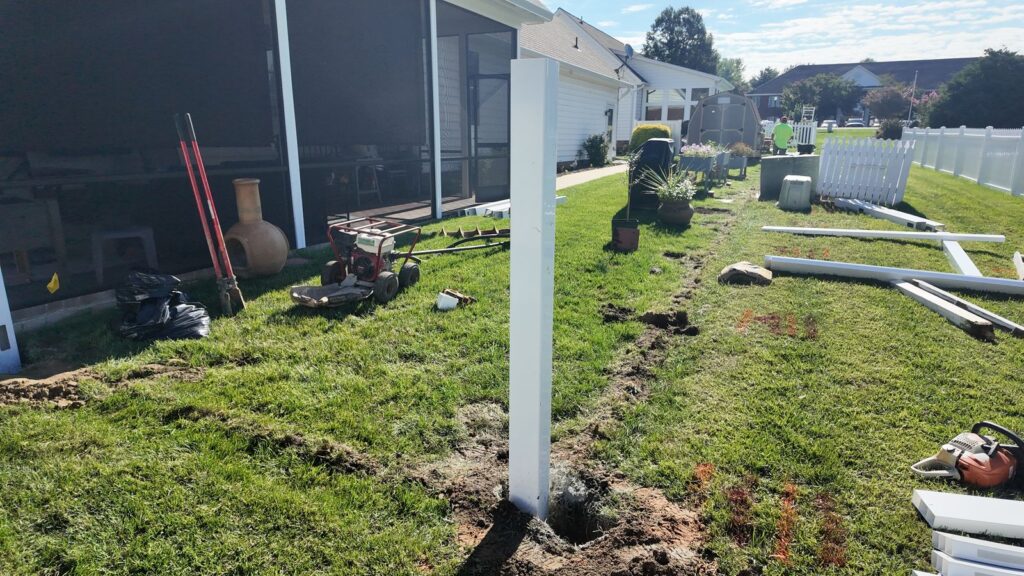
If you want privacy and better wind resistant fence performance, ask your installer about options like wider post spacing with lattice or louvered panels, or sticking with shorter panel heights where your local code allows it.
How Deep Should Fence Posts Be in High-Wind Areas?
Post depth, footing size, and post spacing are the three variables that most affect whether a fence stays upright in a storm.
As a common guideline (not a code requirement, and not a Thomas Fence Co specification), many installers set posts roughly a third of the total fence height into the ground, in a concrete footing sized to the post. Closer post spacing and larger footings generally add stability, especially for solid panel fences.
The right numbers for your property depend on your soil type, your fence height and style, and your local building code, which can vary by county or city. Before you build or rebuild a fence in a high-wind area, confirm post depth and footing requirements with your local building department, for example the Horry County building department if you’re near Myrtle Beach, or your county’s equivalent office in North Carolina.
How Does Each Fence Material Hold Up in Wind?
For more on how each material handles salt and humidity, see our best fence materials for salt air guide.
Every material has tradeoffs when it comes to wind, maintenance, and longevity. Here’s a general comparison:
| Material | Wind performance | Maintenance | Good to know |
|---|---|---|---|
| Vinyl | Good for open/picket styles; solid privacy panels need proper post spacing | Low | Won’t rot or rust; panel design affects wind exposure |
| Aluminum (incl. Jerith) | Strong; open design lets wind pass through | Low | Popular ornamental choice for coastal properties |
| Wood | Varies by style and post condition | Higher (rot/moisture checks) | Privacy panels are more wind-exposed than picket styles |
| Chain link | Generally performs well due to open mesh | Low | Fabric lets wind through; posts still need solid footings |
No matter the material, the posts and footings matter as much as, or more than, the panel material itself.
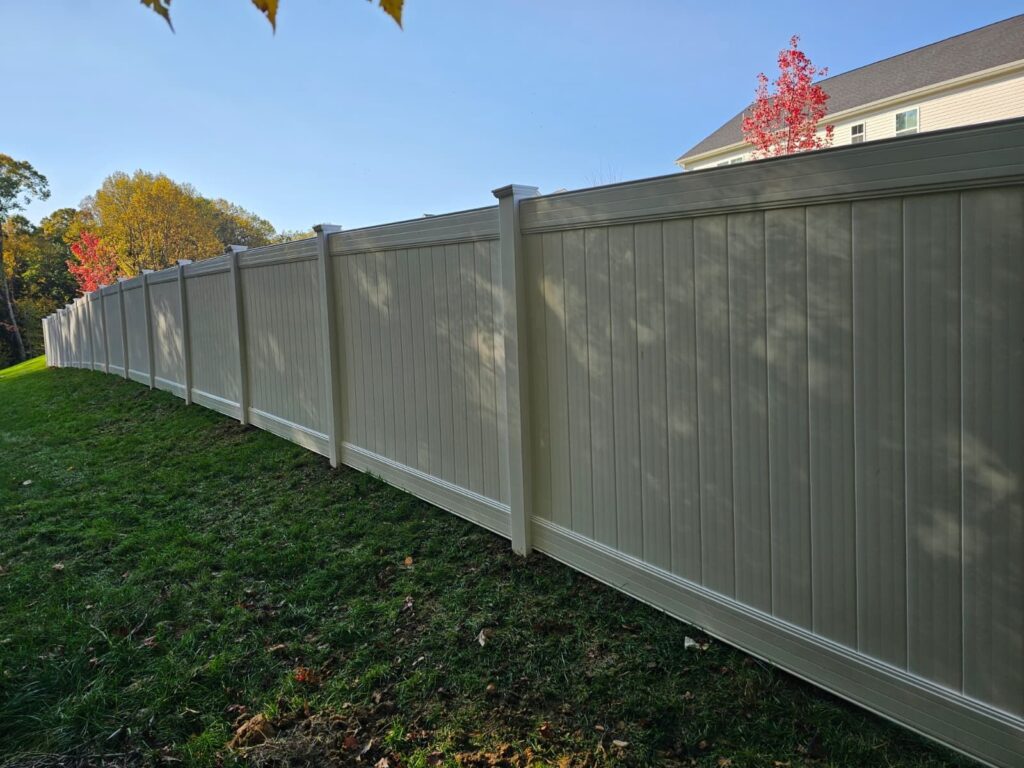
How Should You Prepare Your Fence Before a Hurricane?
A little prep work before a storm can reduce damage:
- Walk the fence line. Look for leaning posts, loose panels, soft or rotted wood, and rust at the base of metal posts.
- Tighten what you can. Loose screws, hardware, and gate hinges are often the first things to fail.
- Clear debris and overhanging branches that could fall on the fence in high wind.
- Consider removing lightweight or decorative panels and gate inserts if your fence has pieces that aren’t structurally part of the posts, since every homeowner’s setup is different, check with your fence installer about what’s safe to remove on your specific fence.
- Take photos of your fence’s current condition. This helps if you need to document storm damage later.
If you’re not sure whether your current fence can handle an approaching storm, it’s worth having it looked at before hurricane season, not during it.
What Should You Check After a Storm?
Once it’s safe to go outside, check your fence for:
- Leaning, shifted, or uprooted posts
- Cracked or shifted concrete footings
- Missing, cracked, or warped panels
- Sagging gates or gates that no longer latch
- Standing water pooling against the fence line, which can accelerate rot or rust over time
If you spot damage, take photos before anything is moved, then contact your install team for a repair estimate. Our fence repair vs replacement guide can help you decide what to ask for.
Comparison at a Glance
| Question | General takeaway |
|---|---|
| Open vs. solid design? | Open designs typically see less wind stress |
| Post depth matter? | Yes, confirm depth and footing size with local code |
| Best low-maintenance option? | Vinyl and aluminum resist rot and rust |
| Can any fence be “hurricane-proof”? | No fence is guaranteed to survive every storm |
FAQ
Which fence type is best for hurricanes? Open designs like aluminum ornamental fencing and chain link generally handle wind better than solid privacy panels because wind passes through them instead of pushing against a flat surface. If you want a solid privacy fence, proper post depth, footings, and spacing become even more important. Talk with a local installer about which style fits your property and your privacy needs.
How deep should fence posts be in high-wind areas? There’s no single number that applies everywhere, since it depends on soil, fence height, and local building codes. A common guideline many installers use is setting posts roughly a third of the fence’s height into a concrete footing, but this is general information, not a code requirement. Always confirm exact requirements with your county or city building department before installing or rebuilding a fence.
Should I remove fence panels before a hurricane? Some lightweight or decorative panels and gate inserts can be removed ahead of a storm to reduce wind exposure, but this depends on how your specific fence is built. If you’re unsure whether a panel is removable without damaging the fence, ask your fence installer before attempting it yourself. When in doubt, documenting the fence with photos beforehand is a safer first step.
Does homeowners insurance cover fence damage? Coverage for fence damage varies by policy, insurer, and the cause of the damage, so there’s no universal answer. Check your specific homeowners insurance policy or call your insurance agent to find out what’s covered and what documentation they require. Keeping before-and-after photos of your fence can help support a claim either way.
Get a Free Estimate
Thomas Fence Co has been a family-run fence business since 1976, with offices in Bushwood, Maryland; Fuquay-Varina, North Carolina; and Myrtle Beach, South Carolina. We install and repair vinyl, aluminum (including Jerith), wood, chain link, and ornamental fences.
If your fence took a hit in a recent storm, call the office nearest you for a repair estimate. Financing is available through Wells Fargo at 0% for 12 months on approved credit. Other options are available through EnerBank; terms vary, so ask your install team for details.
- North Carolina (Fuquay-Varina / Raleigh area): (919) 725-7746
- South Carolina (Myrtle Beach / Horry County area): (910) 558-0956
See more about fence installation costs, check out our Myrtle Beach, SC location or Raleigh, NC area service, or contact your install team to get started.
If storm damage means a new fence, check fence permits in Myrtle Beach and Horry County before work starts. Vinyl is a common pick on the coast, and the advantages of vinyl fence explains why.
For coastal North and South Carolina, our nearest offices are in Myrtle Beach, SC and Fuquay-Varina, NC. Both Google profiles have directions, hours and reviews.