
When building or repairing a wooden fence, the structural backbone (posts and rails) gets a lot of attention, but it is the fence boards (frequently referred to as pickets) that define the entire look, privacy level, and durability of your perimeter.
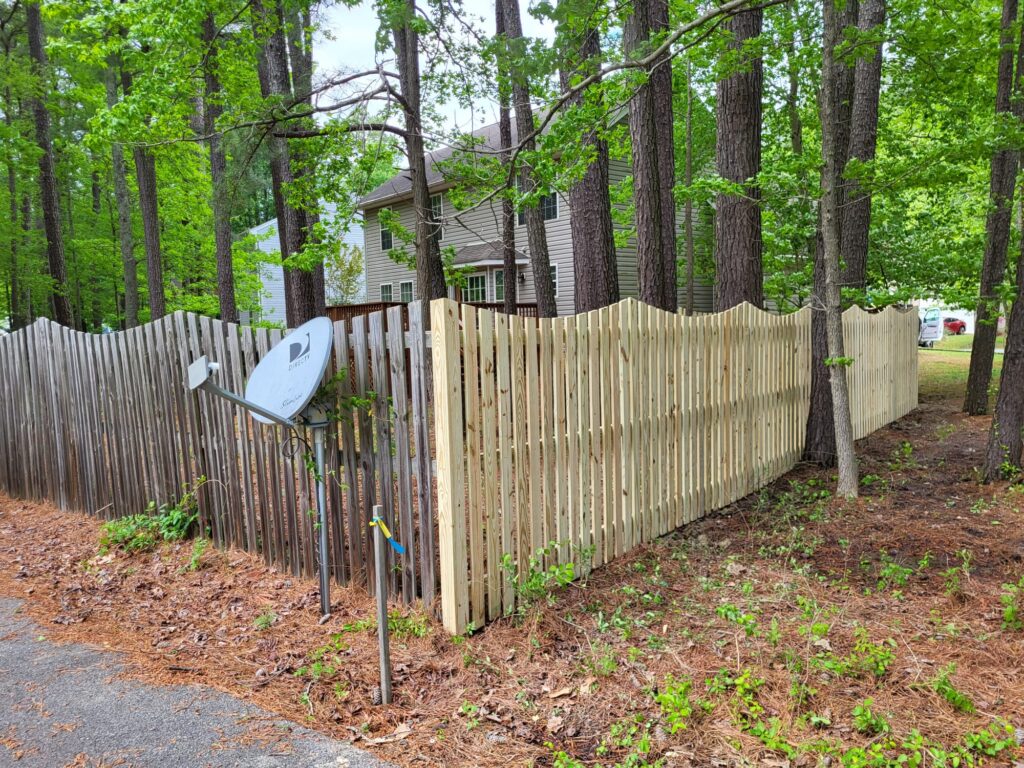
With thousands of searches each month for fence boards, navigating the options between cedar, pressure-treated pine, fence types and options, dimensions, and hardware requirements can feel overwhelming. Because commercial search results are heavily dominated by product catalogs and big-box store categories, providing a deeply informative, expert-level guide is your secret weapon to outranking competitors without relying on backlinks.
This comprehensive guide covers everything you need to know about selecting, sizing, and installing fence boards like a seasoned professional.
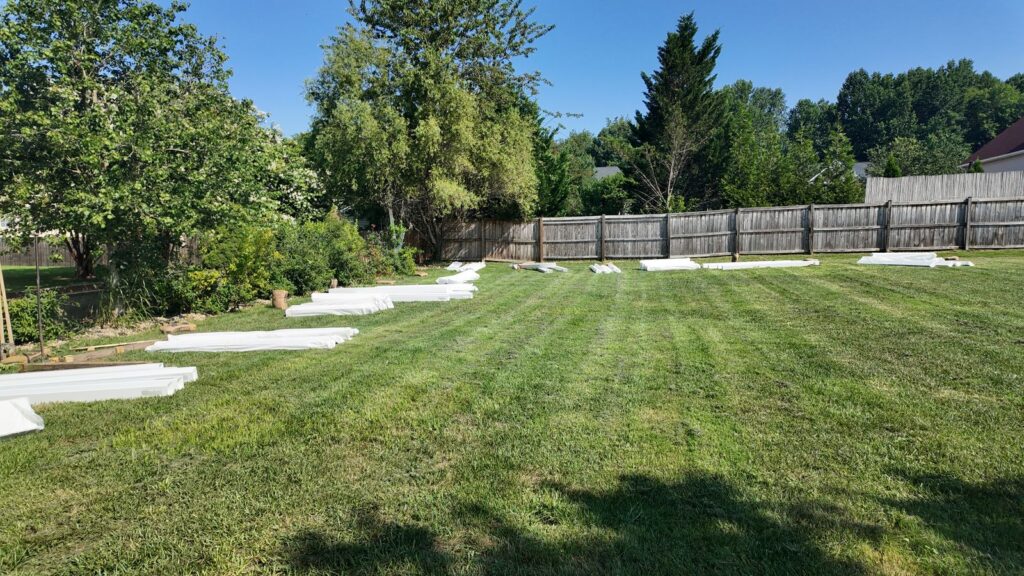
1. Types of Fence Boards (Material Options)
Choosing the right material dictates how long your fence will last, how much maintenance it requires, and how much it will cost upfront.
Cedar Fence Boards (The Gold Standard)
- Why Choose It: Western Red Cedar is widely considered the premium choice for residential fencing. It contains natural oils that make it inherently resistant to rot, decay, and insect damage without requiring heavy chemical treatments.
- Aesthetics: It starts out with rich, warm reddish-brown tones and naturally weathers into a sophisticated, low-maintenance silver-gray patina over time.
- Lifespan: 15 to 25+ years with proper care.
Pressure-Treated Pine (The Budget-Friendly Workhorse)
- Why Choose It: Infused under pressure with chemical preservatives, treated pine resists termites and fungal decay effectively while offering the lowest initial price point for real wood.
- Maintenance: Because it retains moisture from the treatment process, it is prone to warping, twisting, and shrinking as it dries. It requires staining or sealing shortly after installation and every few years thereafter.
- Lifespan: 10 to 15 years.
Composite Fence Boards (The Modern Low-Maintenance Option)
- Why Choose It: Made from a durable blend of recycled wood fibers and plastic polymers, composite boards eliminate splintering, rotting, and painting.
- Aesthetics: Engineered to mimic natural wood grain with fade-resistant color technology. While the upfront cost is higher, you save significantly on long-term maintenance.
Redwood (The Premium Alternative)
- Why Choose It: Similar to cedar, redwood offers stunning grain patterns and natural decay resistance. It is exceptionally stable and warp-resistant, though availability and pricing vary heavily depending on your geographic region.
2. Standard Fence Board Sizes & Dimensions
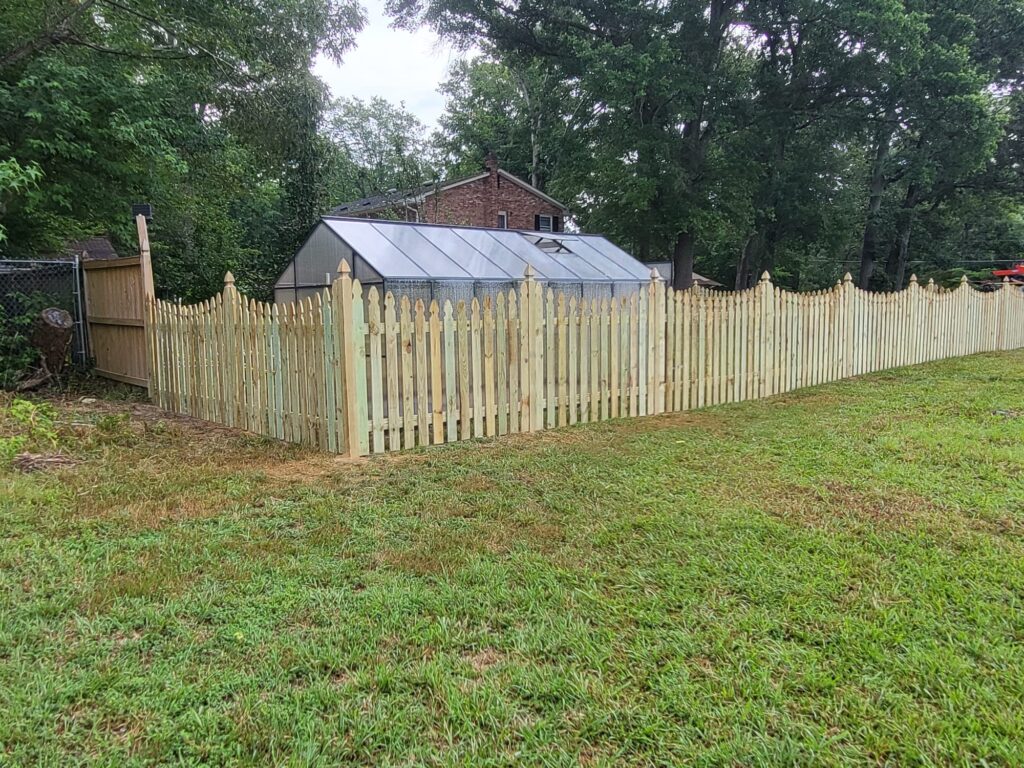
Getting your dimensions right prevents awkward gaps and structural sagging. Fence boards are categorized by thickness, width, and height.
- Thickness:
- Standard residential pickets are typically 5/8 inch or 3/4 inch thick. Avoid ultra-thin 3/8-inch pickets, as they warp easily and crack under high winds.
- Width:
- 1×4 Boards: Actual width is 3.5 inches. Often used for spaced picket fences or shadowbox designs.
- 1×6 Boards: Actual width is 5.5 inches. The most popular choice for solid privacy fences because fewer boards are required to cover a linear foot.
- Height:
- Common residential heights include 4 feet, 5 feet, and 6 feet. Custom heights up to 8 feet are available for specialized privacy or security needs.
3. Key Questions Answered (Expert FAQ & Search Intent)
To capture featured snippets and satisfy user intent completely, let’s answer the most common questions DIYers ask when working with fence boards.
What nails should you use for fence boards?
- Never use standard bright steel nails, as they will rust quickly when exposed to moisture and bleed ugly black streaks down your wooden boards.
- Best Choice: Use hot-dipped galvanized ring-shank nails or exterior-grade stainless steel screws. Ring-shank nails provide superior holding power, preventing boards from popping loose as the wood expands and contracts through changing seasons.
How many fence boards do you need?
To calculate how many pickets you need for your fence run:
- Determine the total linear footage of your fence.
- Convert linear feet to inches (multiply by 12).
- Divide by the actual width of your chosen board (e.g., 5.5 inches for a 1×6 board).
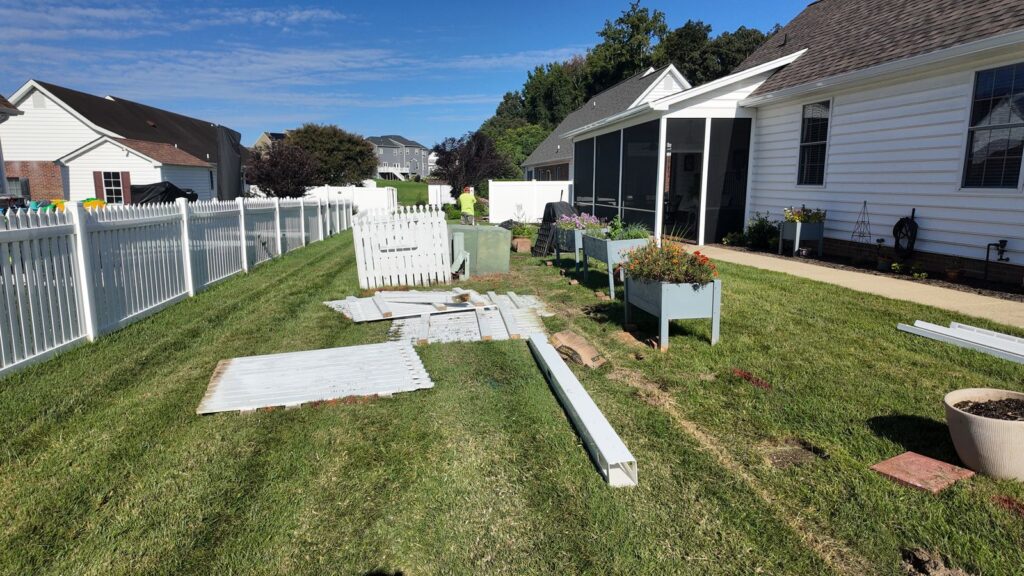
- Example: For a 100-foot run using 5.5-inch boards with no gaps:

Do you need to leave a gap between fence boards?
- If building a standard privacy fence with wood: Yes! Wood expands when wet and shrinks when dry. If you butt cedar or pine boards tightly together during installation, they will buckle, warp, or pop their nails when they swell in humidity or rain. A small expansion gap (roughly the width of a nickel or 1/4 inch) is recommended unless you are using tongue-and-groove or overlapping shadowbox designs.
Are cedar fence boards treated?
- No. Cedar does not undergo pressure treatment with chemical preservatives because its heartwood contains natural tannins and oils that repel insects and rot on their own. This makes cedar safe for families, gardens, and pets without chemical leaching concerns.
4. Buying Tips & Installation Best Practices
- Inspect Before You Buy: When picking up boards from a lumber yard or big-box store, sight down the edge of each board to check for bow, crook, or twist. Select flat, straight boards to ensure a clean final fence line.
- Nailing Pattern: Drive two nails into each horizontal rail for 1×4 boards, and three nails per rail for 1×6 boards to prevent cupping.
Thomas Fence Co installs and repairs fences from offices in Maryland, North Carolina and South Carolina. Find your area: Southern Maryland, Raleigh and Fuquay-Varina, NC or Myrtle Beach, SC.
Boards are only part of the price, so see 6 foot privacy fence cost per foot for the full picture. If you want something with less upkeep than wood, read the advantages of vinyl fence.
Thomas Fence Co has offices in three states. Find the one nearest you on Google for directions, hours and reviews: Bushwood, MD, Fuquay-Varina, NC or Myrtle Beach, SC.